Pool Safety Fencing and Boundaries: What Contractors Need to Know


Pool Safety Fencing and Boundaries: What Contractors Need to Know

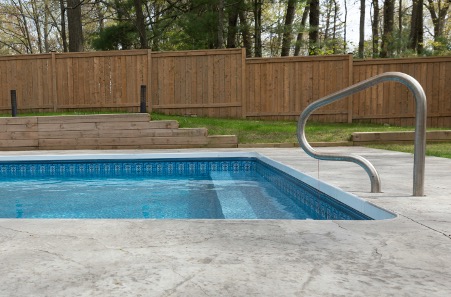
When a garden brief includes a swimming pool, the fencing and boundary work around it needs far more thought than a standard perimeter job. Get it wrong and a contractor can end up reworking groundworks, repositioning gates, or falling foul of safety requirements the client assumed were someone else’s problem. Here’s what’s worth getting right from the outset.
Start With Safety Fencing Requirements, Not Aesthetics
Most domestic pool projects in the UK aren’t covered by a single statutory fencing law in the way commercial pools are, but insurers, local authority guidance and building control often expect a compliant barrier around the pool area, particularly where young children live in or visit the property. BS EN 16582-1, the standard covering domestic swimming pool safety barriers, height and self-closing gate mechanisms, is a sensible baseline to design to even where not strictly mandated. RoSPA’s garden safety guidance is a useful resource to share with clients who assume decorative fencing will do the job.
Boundary Lines Move Once a Pool Goes in
A pool changes how a garden is used, and that usually means the existing boundary treatment needs revisiting. Decking or paved surrounds often push right up to a boundary fence line that was never built to sit that close to a wet area, so drainage, fence post foundations and material choice (treated timber versus composite or metal) all need re-checking against the new layout. A typical pool surround can eat up a metre or more of garden depth on each side, which often leaves far less clearance to the boundary than the original fence was designed for, and excavation for the pool shell frequently runs close enough to existing post foundations to undermine them if it isn’t planned around. This is also the point to flag with clients whether the current fence gives enough privacy screening around a pool area that’s now visible from neighbouring gardens.
Construction Type Affects What Happens at Ground Level
The type of pool being installed has a direct bearing on the groundworks a fencing contractor will be working around. A shell-and-liner pool needs deeper excavation and a longer build programme, a modular fibreglass pool arrives in sections and needs crane or plant access to the garden, and a fully bespoke built pool can take months of groundworks that are close to existing boundaries. One-piece pools sit at the other end of that scale. Compass Pools, for example, installs its ceramic composite pools by lowering a complete shell into a prepared excavation, which generally means less prolonged groundworks activity near a boundary fence than a poured or built pool. However, the excavation and access route still need to be planned around existing fence lines and post foundations.
A Short Checklist for the Boundary Conversation
Before quoting on a job that includes a pool, it’s worth confirming with the client or their landscaper: what safety barrier standard they’re designing to, whether the pool surround will sit closer to the boundary than the existing fence allows for, what drainage changes are planned, and whether privacy screening needs upgrading as part of the same job. It’s also worth asking early whether pipework, pump housings or soakaways are routed anywhere near the boundary line, since these can sit directly under where new fence posts would otherwise go. Working with landscapers affiliated to bodies such as BALI can help here, since accredited members are more likely to flag these boundary implications early.
Getting the sequencing right between the pool contractor, the landscaper and the fencing installer, is usually the difference between a smooth job and an expensive one. For more on managing multi-trade garden projects, see our contractor and landscaping sections. A short planning conversation at the outset, covering safety compliance, boundary proximity and ground conditions, saves most of the problems before they start
[Image source: Derek Hille on Unsplash]