Not All Green Treatment Is the Same… So what are you actually getting with Platinum Incised 15?


INCREASED DEMAND FOR ELECTRIC FENCES TO KEEP PROBLEMS OUT

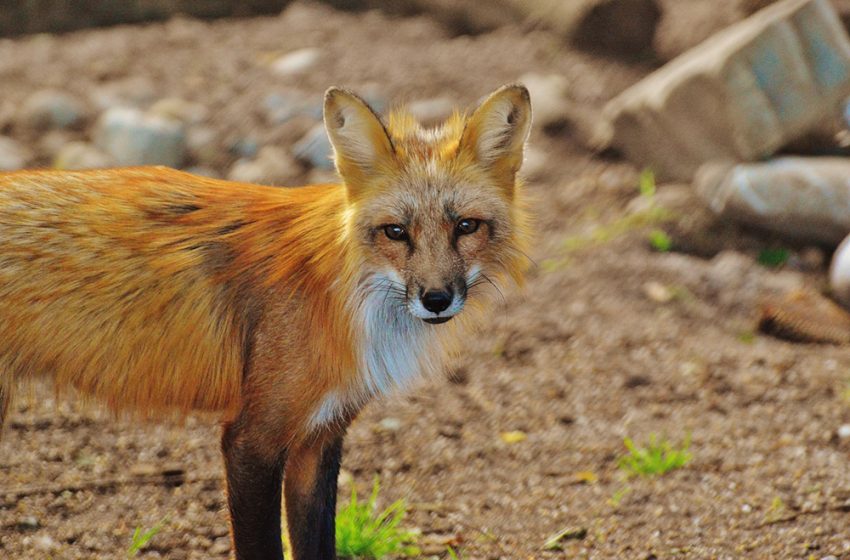
While electric fences are traditionally seenas a way to keep wanted animals in, they are increasingly being seen as a solution to keeping unwanted animals out, creating a whole new market opportunity.
Electric fencing is a cost-effective and efficient way to reduce the problems caused by a range of unwanted visitors including deer, badgers, wild boar but particularly foxes according to Mark Oliver, UK Sales Manager with Gallagher.
“The principles of electric fencing as an effective psychological barrier mean they are well-suited to this new role,” he suggests. After the first contact with an electric fence, foxes or other problem animals will stay away as they will not want to receive a shock from the same fence twice. For this reason, livestock owners are looking for electric fencing to help reduce problems and improve biosecurity.”
He says foxes are a major cause of losses for keepers of domestic birds, gamekeepers and notably on poultry units of all sizes and all species. Data show the losses due to foxes in flocks of less than 200 birds can be 0-25% while in flocks of 1000 birds it can be as high as 1.3%. While average mortality in the layer, table bird, turkey and geese flocks maybe around 2%, over 77% of flocks reported problems, which shows the extent of the problem and the size of the opportunity too.
“Foxes are also well known for taking lambs, young goats and piglets and there are sporadic reports of foxes trying their luck with mature sheep, calves and foals.”
When hungry, foxes will do anything they can to get to the food, including climbing fences and digging under them.
“Many people had used traditional wire mesh and wood fences to keep foxes out but often they will be an ineffective deterrent as foxes simply find to get past the barrier. This is why electric fencing is the most efficient way to keep foxes out.
“Electric fences can be fitted effectively in most locations, whether erected as a temporary or permanent solution, and can be up to 50% cheaper than less effective traditional fencing.”
Whatever the anticipated duration of the fence, Gallagher always advises a double fencing system made upon a lower external fence and a taller internal barrier. The external fence should ideally be around two metres from the internal fence for a permanent fence and 35cm distant for a temporary arrangement.
“In both cases use 75cm posts and two wires, fitted at 45 and 20cm. Our unique Twist and Lock system ensures fences remain correctly tensioned.
“The internal fence can either be electric netting or a five-wire fence, both of which should be 90cm tall. The new Gallagher Smart fence system is an all-in-one system with posts, reels and wire with a total length of 100 metres. It can be set up or taken down in just five minutes.
“For permanent and larger scale configurations, we would always advise a professionally installed, high tensile fence but there is an electric fence system to suits all types and size of the unit.”
Whatever the configuration constructed, he stresses the importance of ensuring a powerful enough energiser to provide sufficient deterrent and capable of burning foliage as required. He saysthat solar-powered energisers can provide an effective solution in more remote areas.
“One final consideration is the addition of foglights which are a spotlight system which operates in a random pattern and give foxes the impression that people are around.
“A carefully planned electric fence system will help reduce the risk of losses due to foxes, more cost-effectively than traditional fence arrangements.”