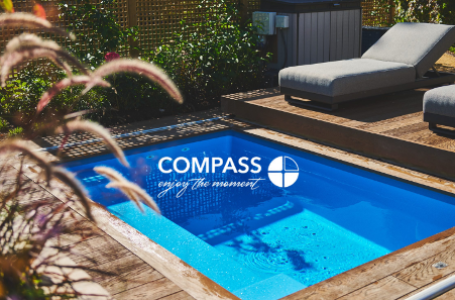
Luxury Pool Enclosures: Architectural Trends with Compass Pools


Luxury Pool Enclosures: Architectural Trends with Compass Pools


This content is a sponsored publication provided by Compass Pools, a leading manufacturer of premium swimming pools to homeowners across the UK, from small plunge pools to swim spas and luxury infinity pools, and everything in between.
Regulations surrounding residential swimming pool safety have been somewhat grey and unclear, but they should not be considered an obstacle to design. Forward-thinking landscapers can view pool enclosures as an opportunity to improve the aesthetic value of outside spaces, rather than detract from or compromise them.
With high-net-worth clients after stunning domestic features that seamlessly blend architecture and landscape, the specification of pool barriers and enclosures requires landscapers to think of it as a discipline on its own merits, rather than a nuisance of a tick-box exercise.
The Approval Process
While swimming pools typically don’t require Building Regulations approval, construction projects like pool houses, fencing and structural buildings may. Navigating any possible legalities early on, will ensure your creative vision remains uncompromised during construction.
For example, pools installations involving electrical elements, like underwater lighting, must comply with Part P of UK Building Regulations to ensure electrical safety. Also, if homeowners live in a listed building, a conservation area, an Area of Outstanding Natural Beauty, or any other designated area, planning permission would be required. If substantial construction is required and would involve encroaching on an area close to a property’s boundary, this may also require approval.
However, most in-ground pools don’t require planning permission, given they fall under the status of permitted developments.
Transparency and Light
Any pool project that requires surrounding construction should aim to preserve sightlines and complement the existing surrounding environment. Frameless glass systems are popular, offering uninterrupted views, anti-climb features and luxury features, but do require installation precision. Ground preparation must account for the weight distribution of toughened or laminated panels, and landscapers should collaborate closely with specialist glazing contractors to ensure posts are set at exact tolerances.
Compass Pools’ precision engineering gives installers flexibility when planning perimeter treatments or groundwork. Their self-supporting structures remove concerns about load-bearing walls, meaning fencing can be positioned to ensure visual continuity and clean lines, rather than require disruptive wall removals. On sloping sites where retaining walls and tiered enclosures are situated, this can be integrated into the overall design.
Timber and Composite Solutions
If glass feels too clinical or exposed, bespoke timber fencing provides texture, depth, and warmth while maintaining aesthetic consistency with any surrounding greenery. Western red cedar, accoya timber, and others are durable and highly moisture-resistant, though proper treatment and maintenance should be advised. Horizontal slat designs, with less than 100mm gaps create a contemporary rhythm while offering security.
Composite timber alternatives are gaining ground among contractors offering premium wood-effect products that require minimal maintenance. Modern composites offer superior longevity and resilience in moisture-heavy environments, so verifying the UV stability and thermal expansion of all materials will prevent warping or discolouration issues.
Hybrid Approaches
The most sophisticated pool fencing installations combine multiple materials to create layered enclosures that balance transparency, privacy, and architectural depth. For instance, frameless glass surroundings can provide a window to the landscape, while horizontal timber fencing shields the pool from neighbouring properties or ‘busy’ areas. To maintain this aesthetic, contractors should understand the importance of engineered safety features integrating with any perimeter treatments, and equally advise of standard features like self-closing gates and minimum heights to conserve privacy.
Planting and Soft Landscaping
Hard enclosures can feel a bit warmer and more inviting with the addition of strategic planting, creating an element of privacy while softening the boundary.
Evergreen hedging such as yew or Portuguese laurel provides solid year-round privacy, but this will require regular maintenance to prevent it from growing too much too quickly. Bamboo species offer sufficient height and density, but containment is vital to prevent it from spreading too invasively.
When working with outdoor pools, landscapers should consider how the surrounding vegetation will interact with the water. Leaf litter is expected, particularly in autumn, so planting beyond the immediate pool zone is worth bearing in mind. Ornamental grasses and vibrant perennials like agapanthus and phormium complement many contemporary pool designs without causing too much legwork for clients long-term.
Commercial Considerations
For contractors tendering on luxury residential projects, the ability to present cohesive enclosure solutions differentiates the professional from the general. Offering detailed CAD drawings featuring gate positions, sightlines, material transitions, and accurate sourcing demonstrate technical competence and design flexibility.
Collaborating with accredited, proven pool manufacturers at the planning stage ensures that structural, regulatory and aesthetic needs are all met from the beginning. Whether you are navigating a complex planning application or seeking a bespoke perimeter solution, the team at Compass Pools are available to provide technical guidance and design support.