Not All Green Treatment Is the Same… So what are you actually getting with Platinum Incised 15?


RICS refines UK Japanese knotweed guidance

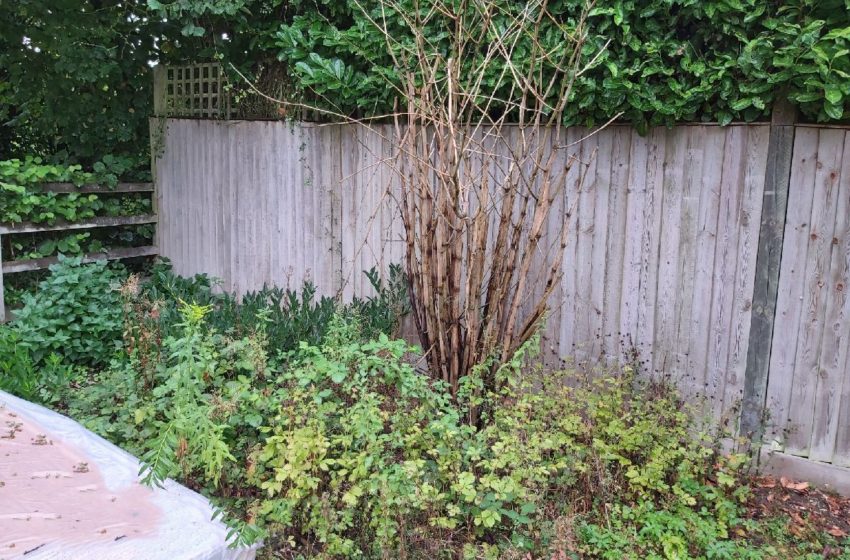
RICS (Royal Institute of Chartered Surveyors) has announced new guidance on the assessment of Japanese knotweed on residential property, which will supersede document IP27 and be implemented in March 2022.
The new guidance has moved away from the risk categories 1-4, which was based on the distance of the Knotweed from the property. The new risk categories are based on the following:
- Management Category A, causing a direct physical impact on buildings or patios/drives etc., – that’s the highest risk.
- Management Category B, if it’s in the garden and impacting amenity use (blocking access or preventing normal use of a lawn or recreational area)
- Management Category C, if it is within the property boundary
- Management Category D, if its off-site but within 3m of any boundary
With this new guidance, Japanese knotweed is still a risk to the value, condition and use of a property.
It is also important to note that these categories are based only on what the surveyor can see above ground, so an Invasive Weed survey report will still need to be carried by a qualified PCA surveyor (CSJK) when Japanese knotweed has been identified. Japanese knotweed is a Schedule 9 plant and is still covered by the Wildlife And Countryside Act 1981, as well as being classed as controlled waste under the Environmental Protection Act 1990.
Japanese knotweed disputes and litigation claims will still be an issue for landowners. Homeowners and property developers will also not be able to build on top of Japanese Knotweed unless it has been professionally removed.
Adam Brindle (CSJK), CEO and Founder of Japanese Knotweed Specialists, said:
“It is key that we don’t misinterpret this new guidance; Japanese knotweed is no less of a risk than before. What this new guidance does is focus on the real problems Japanese knotweed causes. The weed can grow up to 10cm a day in the growing season and if it’s not controlled professionally, it can become incredibly intrusive, potentially growing through cracks in concrete, hard standings and foundations.”