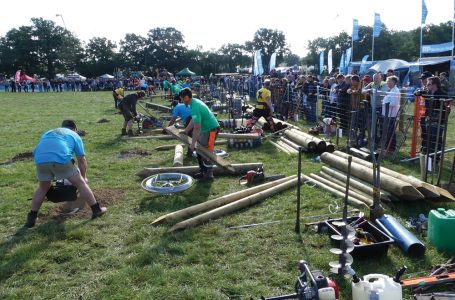
BRITISH OPEN FENCING CHAMPIONSHIPS AND SPEED FENCING COMPETITION SET TO IGNITE APF SHOW 2026


DON’T LET STOCK FIND A FENCE ISN’T WORKING BEFORE YOU DO


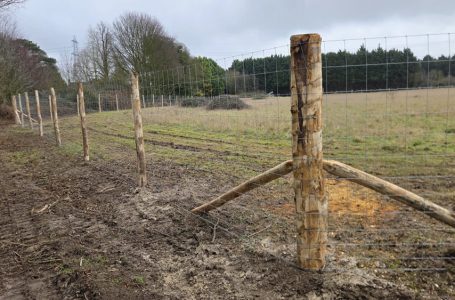
One victim of the severe winter weather could be the condition of electric fencing so it will pay to invest time in checking fences are working correctly before turnout.
“Animals breaking through fences can be a real issue,” comments Mark Oliver UK Sales Manager with Gallagher Europe. “Increasingly there is the risk of Health and Safety issues and potential prosecutions, so it makes sense to do everything possible to ensure all fencing is fit for purpose
“This will be especially important this spring with electric fencing as the high winds and heavy rainfall seen over the winter can cause a number of problems which will reduce the effectiveness of fences.”
He says that it is likely that broken branches and fallen trees could break the fence or cause a fault leading to loss of power. In addition, it is possible posts will have broken or worked loose leading to less tension in the fence. In extreme circumstances it is possible the earth may have been compromised. To ensure there are no problems with the fencing and that it will provide an effective barrier, he advises carrying out a full check of the fence.
“Every spring we gets calls from farmers saying the energiser isn’t working and so the fence is ineffective. More often than not, the energiser will be fine but there is a problem elsewhere in the fence.
“The good news is that many faults are easily fixed and if you follow a logical approach to checking the fence it will be possible to quickly identify and rectify any issues.
“Our Gallagher fence check breaks down into four main areas and if carried out methodically can ensure the fences will be working effectively at turnout.”
Stage 1
Check your energiser
Stage 2
Check the fence voltage
Stage 3
Physically check the whole fence
Stage 4
Check the earth
“I would also advise checking the earth regularly through the season too as the effectiveness can be affected by how dry the ground is. Wet or damp ground is a more effective conductor than dry ground.
“Time spent checking the effectiveness of electric fencing in the next few weeks will mean stock can be turned out with confidence that animals will stay where they should be and give peace of mind throughout the grazing season,” Mr Oliver concludes.
Turn to the centre pages for a details explanation of the Gallagher Fence Check or go to www.gallagher.eu/en_gb/check to see an explanatory video.