FENCING IS BIGGEST RISK IN PIPELINES

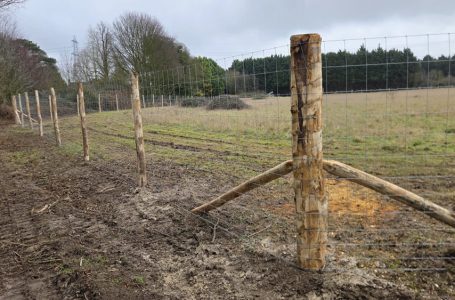
Fencing accounted for 25 percent of all reported incidents of workers operating too close to high-pressure oil, gas and chemical pipelines in 2022, making it the UK’s most common danger activity.
Overall, there were 316 incidents reported last year, of which 79 of them were fencing-related, according to Linewatch, a leading pipeline safety and awareness group. In its 2022 Infringement Report, Linewatch also identified landowners as the people most likely to cause damage to pipelines in the UK, making up 40 percent of all infringements in 2022. Contractors were also a cause for concern, making up 35 percent, which is a 12 percent increase on 2021.
An infringement can be someone simply working near an oil, gas or chemical pipeline without the owner’s awareness and permission, through to a worker actually striking a pipe.
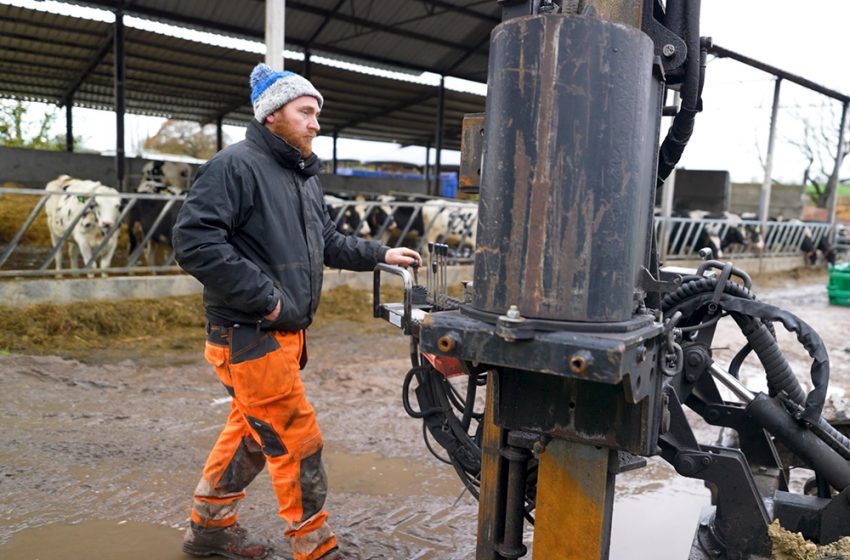
Fencing contractor, Elliott, went viral in June 2022 when his post-knocker hit an underground gas pipeline on a farm in Derbyshire. He was lucky and escaped without injury but that is not always the case.
Elliot commented: “It is a tough incident to talk about. For a few seconds, I simply thought that my time was up, and I was more than incredibly lucky to walk away with not so much as a scratch on me. After I recovered from the initial shock, my only thought was, ‘I don’t want anyone else going through this’.
“I want to make sure that anyone out there thinking of putting a hole in the ground, no matter if it is knocking in a fencing post, planting a tree, or taking on a major construction project, then they should always search before they start work.”
The Linewatch Report suggests that close to half (45 percent) of infringements occurred even though the person responsible for the incident was already aware of the pipeline’s existence. This is a 15 percent increase on 2022 and highlights a distinct casualness, in some quarters, about the dangers of working near pipelines.