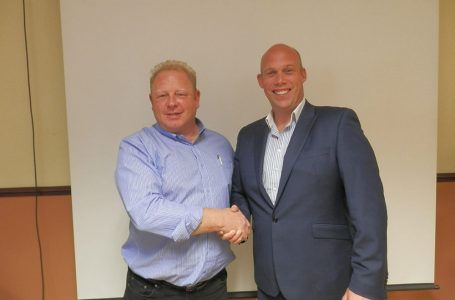
A TOUR DE (BORDER) FORCE FROM KOSEDAG IN EUROPE

There are fencing projects, and then there are fencing projects!
Securing an international border, especially one that nudges up against a troublesome neighbour, is definitely a fencing project, and a half, and then some.
The numbers are mind boggling when it comes to a stretch of border fence separating Lithuania and the European Union from Belarus, a key ally of Russian leader Vladimir Putin and a former part of the old Soviet Union.
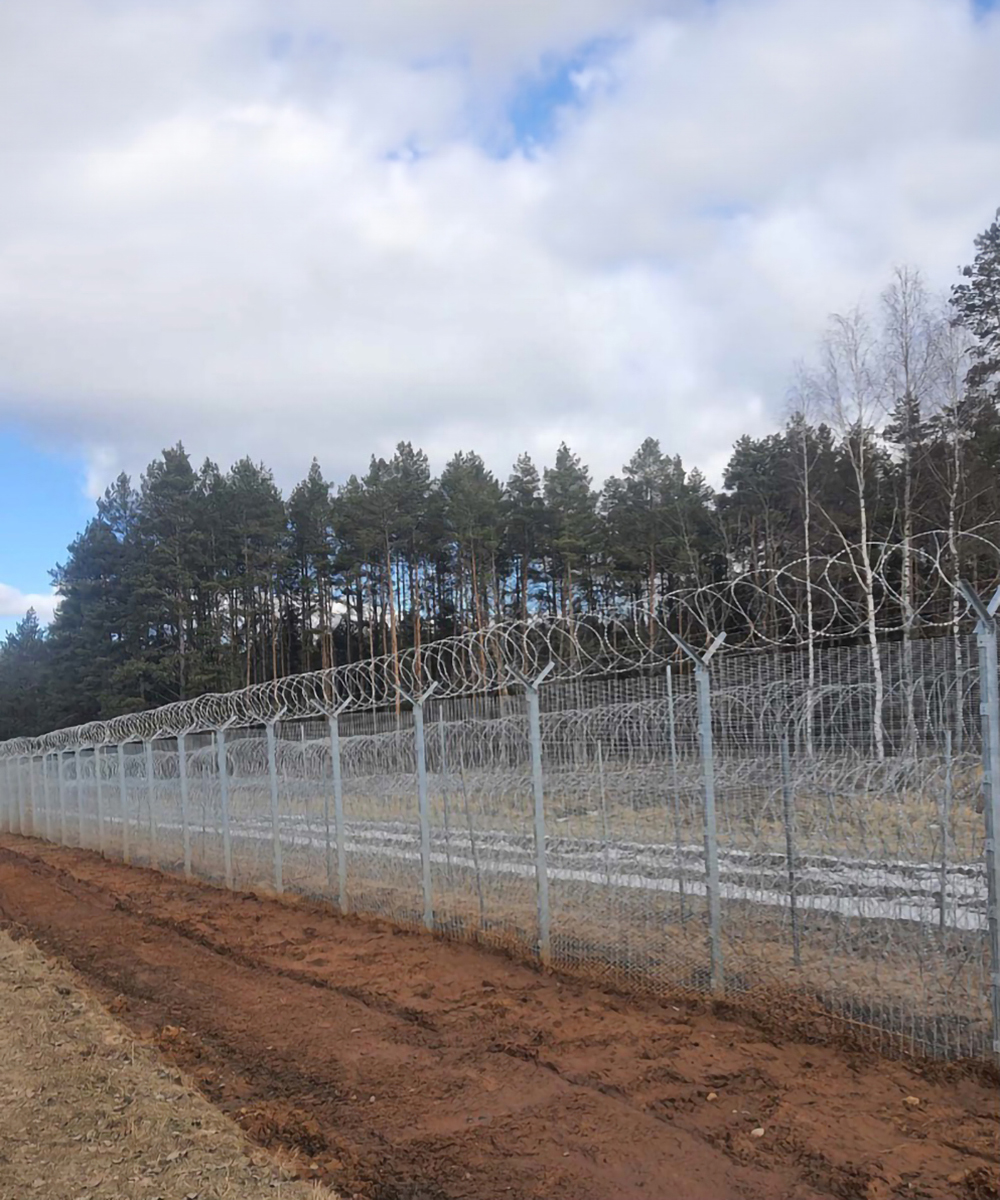
Requiring over 50,000 wire panels, 500,000 sets of nuts and bolts and 500 gates, the project took 5 months to complete with a team of 300 installers involved as well as an eight man logistics teams overseeing the delivery of 209 truckloads of materials.
The longest section, a 123km project, was won by a contractor working with perimeter fencing manufacturer Kosedag.
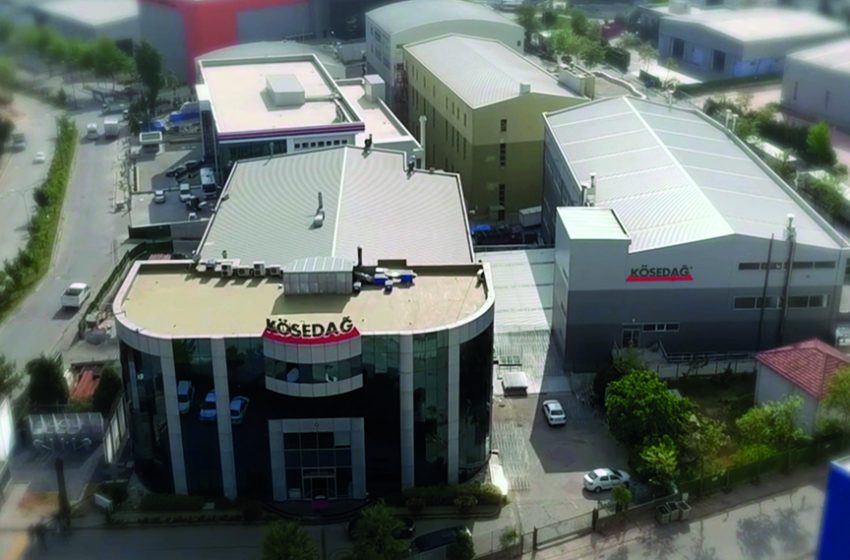
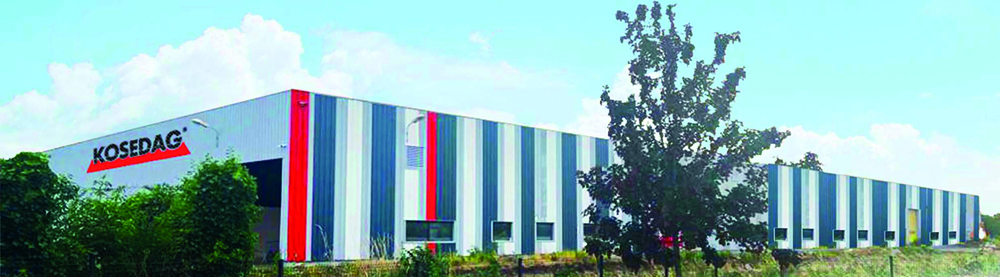
Kosedag was founded in 1978 as the first fencing company in Turkey and is now a global manufacturer with two factories in France and Turkey. It exports its innovative fencing systems, gates, automation, access control and integrated solutions to over 80 countries worldwide.
The business is involved in many prestigious projects including international borders, high security projects, airports, railways, road and highway infrastructure, seaports, industrial facilities, residential and commercial areas, sports areas.
Back in 2021 the government of Belarus sparked an international incident by helping thousands of migrants to cross into Poland, Latvia and Lithuania. As a result, all three nations decided to ‘beef up’ their border infrastructure with the Lithuania government drawing up detailed plans for over 250km of fencing divided into three sections.
Kosedag supplied a 4 metre high security fence with 358- wire panels and posts that have outriggers for a pyramid of six rolls of razor wire.
General Manager Elif Kösedağ explained: “It’s impossible for the Lithuanian border force to constantly monitor every metre so a type of fence was chosen that is very difficult to climb over.
“For us it meant that we needed to make 50,000 wire panels weighing 60 to 70 kilos each and weld 50,000 5 metre long posts with Y-extensions.
“The whole project was a race against time. We started the project in January 2022 and one month later Russia invaded Ukraine. From then on we had the phone ringing twice a day to tell us that the fence needed to be finished earlier. As a result we moved to 24/7 production.
“Fortunately we are equipped with high quality machinery capable of producing at high speeds. In the end we delivered 209 truckloads in less than 5 months which we believe is a record time for such a project.
Kosedag has a lot of experience with perimeter fencing for international borders in high risk locations. Border fencing projects often involve broad and complex specifications which require the expertise, manufacturing technology and capacity for a trusted solution.
“Our team of project managers, engineers and R&D team work continuously to enhance the effectiveness of integrated border protection systems through a range of innovative solutions.
“With our vast expertise spanning 46 years in fencing manufacturing industry, we produce robust and penetration-resistant perimeter protection systems tailored to suit the specific needs at all levels.
“We have the manufacturing capacity to produce and deliver large quantities of high quality materials in a fraction of the time of other producers,” added Elif.
With a global reach and an ever growing portfolio of major, internationally significant projects such as the border fence in Lithuania, Kosedag is fast becoming a major player in high security perimeters.
It’s clear that Kosedag is a name we’ll be hearing a lot more about. This go ahead European firm might specialise in high security fencing but it’s definitely building bridges wherever it goes!