HOW A BESPOKE METAL FENCING SOLUTION DELIVERED STRENGTH, SPEED, AND SUBTLETY


FUTURE PROOF ELECTRIC FENCING TO MAXIMISE LONG TERM BENEFIT

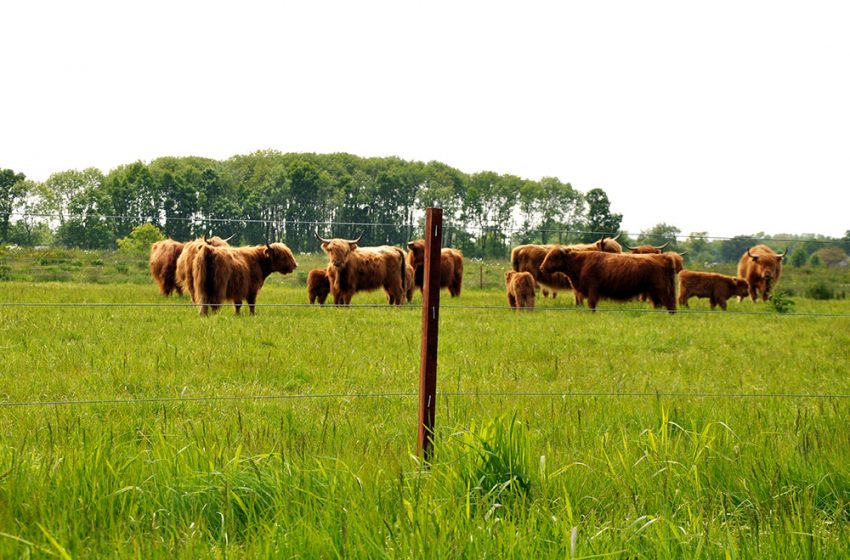
Taking the time to produce a well-designed electric fencing infrastructure can give an excellent return on investment according to Mark Oliver, Sales Manager with Gallagher UK who says it will pay to plan the system carefully.
“As with any capital investment, the aim must be to maximise the return on that investment over its lifetime,” Mark comments. “Modern, well-designed electric permanent electric fencing systems can be expected to last 25 years giving a significant return. To exploit this long term potential, it is vital to plan an installation carefully.
“For example, Gallagher’s patented self-insulating Insultimber posts are 70% more cost-effective than traditional electric fence posts, require no external insulators and are guaranteed for 10 years. All our energisers come with an industry leading seven year warranty. Built to last, they ensure a better return.
When designing a system, take a close look at the topography. He advises fencing posts should be at no more than 9 metres apart, but closer together on undulating land to maintain the correct fence height. He recommends keeping the fence one metre from existing hedges to reduce the risk of shorting out and to allow a hedge cutter to be used between the fence and hedge line. To keep the fence suitably taught, springs and tensioners should be placed on every straining post.
Select the appropriate fencing for the job is important too. The Gallagher standard is that while single strand fencing is adequate for dairy cows and beef cattle, three strand fencing or netting will be required for sheep or youngstock.
“To increase fence life we recommend running the wire round the outside of corner posts and using appropriate connectors to reduce chaffing and the risk of the insulator being pulled out. Getting these basics right is central to a successful scheme.”
He stresses the choice of energiser is crucial, advising that, in most cases, problems are most commonly due to an energiser being used with insufficient power. A smaller energiser is a false economy, the additional cost to buy a more powerful energiser being small compared to the benefits.
“You need to accurately assess the total length of fence you may require over the life of the energiser and select one capable of delivering sufficient power along the entire length of current and proposed fencing,” he explains. “New generation energisers like the Gallagher iSeries offer improved control to help increase effectiveness and reduce running costs.
“iSeries energisers constantly measure fence performance, increasing power when necessary to burn off vegetation to reduce the risk of shorting. They can also be fitted with monitors to split land into blocks that can be managed more easily. It is possible to turn off sectors of the fence, for example at one end of the block when stock are grazing at the other end to reduce costs.
“With increased flexibility leading to improve grassland productivity and with lower installation and running costs, permanent electric fencing can de designed to deliver an exceptional return over the considerable life of the investment.”
Mark also emphasises the role of regular checks and maintenance to ensure optimum working life.
“Walking fences and identifying where posts need replacing, wire needs straining or where insulators
need renewal and then taking action will mean the fence will remain in good condition throughout the autumn and winter period and should then be checked again ready for turnout next spring.”