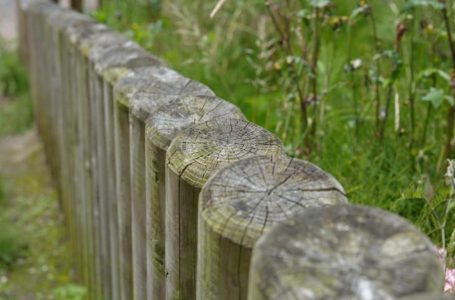
How Timber Boundaries Weather the Years: Treatment, Material and Maintenance


How Timber Boundaries Weather the Years: Treatment, Material and Maintenance

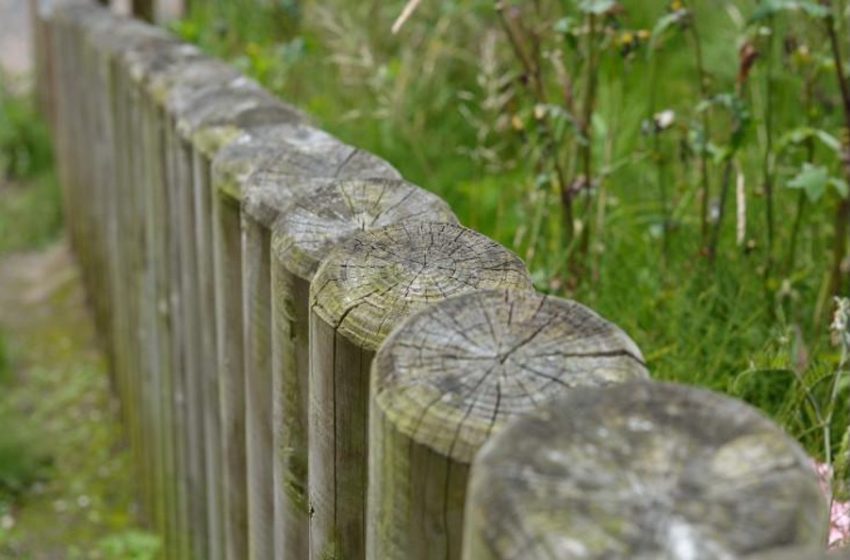
Across UK property exteriors, timber remains a first choice for fences, gates, cladding and exterior joinery, valued for its workability, warmth and the way it weathers visually over time. Yet anyone working in the sector knows that two timber installations built in the same year, on neighbouring sites, can age very differently. One stays sound for decades while the other shows decay within a few seasons. The difference rarely lies in the wood alone. It comes down to how the timber was specified, treated, installed and maintained, and how those decisions interact with the British climate.
Specifying Treatment to the End Use
Treatment is the single biggest determinant of service life for outdoor timber, and the framework for getting it right has been in place for years. British Standard BS 8417 and the Wood Protection Association’s (WPA) Code of Practice group treated wood applications into Use Classes, with Use Class 4 reserved for timber in permanent ground contact, frequently wet, or providing exterior structural support. The WPA’sMake sure it’s 4 campaign continues to press the point that this is the minimum acceptable specification for fence posts and similar applications.
The evidence supports the framework. A 10-year field trial by the WPA and Building Research Establishment (BRE) found that the majority of untreated posts had failed completely through fungal decay within an average service life of under five years, while preservative-treated posts continued to perform well after a decade. Despite this, the WPA has highlighted ongoing online sales of under-treated fence postsas a real risk for buyers who assume any treated post will do.
Species, Grade and Exterior Joinery
Species choice shapes how timber responds to weather as much as treatment does. Slow-grown Scots pine and Douglas fir typically take preservative well and offer good durability when correctly treated, while Sitka spruce often requires incising to achieve full penetration. Naturally durable species such as oak, sweet chestnut and western red cedar bring their own resistance to decay, though even these benefit from sensible detailing at junctions and end grain.
The same principles extend beyond the boundary line. Timber gates, cladding and exterior doors face the same weather envelope, with the same questions of species, treatment and detailing applying across the board. Cedar features prominently here for its natural durability and, as Wessex Garage Doors has documented, its sustainability credentials in exterior joinery. In every case, correct specification at the start sets the foundation; how the timber is detailed and maintained afterwards determines whether it lasts.
Even correctly specified timber will fail early if the detailing or aftercare is wrong. Cut ends should never be placed in the ground, even when end-grain treated, and any field cuts should be sealed with brush-on preservative to restore the treatment envelope. Post caps, properly fitted, reduce water ingress into end grain and add years of service. Stains and coatings need refreshing on cycles that match exposure, not on a fixed schedule.
The Timber Decking and Cladding Association (TDCA) guidance on exterior cladding coatings puts low-build systems at around two years and medium build at three to four. For installers and specifiers, building inspection points into routine site visits often catches small failures before they spread.
Timber’s reputation is determined as much in years six, seven and ten as it is on installation day. Getting the Use Class right, selecting the right species and committing to sensible maintenance combine to give the material every chance to do what it has always done well: weather the British years and improve in character as it goes.