WHY THE FENCING INDUSTRY IS REDEFINING THE PERIMETER
- News
FencingLandscapingNews
- 26th June 2026
- 0
In property management and home improvement, ‘sustainability’ has evolved from a preference to a necessity.
Collectively, we all check energy ratings of our appliances, the carbon footprint of our cars, and the ethics of our shopping. Yet, one of the most visible parts of any property – the fence – is left out.
Whether you are a homeowner looking to spruce up a garden or a commercial developer securing an industrial site, the boundary you choose is a long-term investment. As we all look toward a greener future, the industry is finding ways to bridge the gap between style and industrial strength, proving that keeping things secure and being kind to the planet can go hand in hand.
The Environmental Cost of Traditional Boundaries
For years, the go-to choice for both residential and commercial projects has been fast grown timber or low-grade metals. While the initial price might look good, the cost to the environment is surprisingly high.
• The ‘Throwaway’ Cycle: Cheaper woods often rot within a few years. This creates a culture where fences are ripped out and replaced every few years, sending tons of chemically treated wood to landfills.
• High Carbon Intensity: Large-scale commercial perimeters that fail prematurely require a massive amount of energy to manufacture, transport, and reinstall, effectively doubling a site’s carbon footprint over its lifetime.
• Chemical Runoff: The heavy treatments used to keep low-quality wood from falling apart can leach into the soil, affecting gardens and landscapes.
The Eco-Friendly Checklist: Defining Green Infrastructure
To break the cycle of waste, it helps to look at fencing through a different lens…
• Longevity: Prioritising materials with a 25+ year lifespan.
• Recyclability: Ensuring materials can be repurposed or recycled at end-of-life.
• Zero to Low Maintenance: Reducing the need for toxic paints or chemical sealants.
• Smart Manufacturing: Opting for energy-efficient production, such as reduced welding.
• Ethical Sourcing: Utilising certified timber from sustainable forests.
Sustainable Fencing Options with First Fence
As a leader in this sector, First Fence has put together a range of products specifically designed to meet these environmental, social and governance standards for both domestic and commercial applications.
EnviroRail® Railings and Gates: The Low-Carbon Metal Solution
The EnviroRail® range is a total gamechanger. Traditional steel railings require intense heat-welding – in fact, producing just one standard panel generates the same CO2 as an 8-hour flight. EnviroRail® eliminates this by using an innovative, low-weld production method.
By utilising custom-formed, laser-cut components that are pressed together, these railings achieve maximum strength and premium quality without the massive energy drain. To put it in perspective, replacing 100,000 traditionally welded panels saves the equivalent carbon emissions of running four cars full-time for an entire year.
Finished with a durable polyester powder coating, the EnviroRail® range is built to withstand heavy use and weathering, offering a highly sustainable, long-lasting solution.
Recycled Plastic: Giving Waste a Second Life
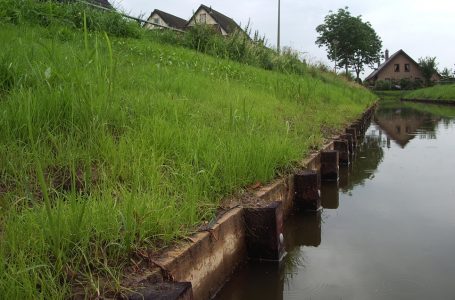
One of the best options for both homeowners and public spaces is Recycled Plastic Fencing. Made from recycled UK waste, the post and rail, knee rail, picket pale fencing and more styles are versatile and provide strength and longevity.
Rot-Proof: They will never need painting or staining.
Eco-Logic: It turns plastic waste into a permanent asset that keeps looking good year after year.
The manufacturing of First Fence Recycled Plastic Fencing starts at a Dumfries recycling facility, where it undergoes testing and inspection. It’s then shredded, washed, dried and quality checked before being melted and blended to ensure strength and durability. After further quality checks, extrusion, cooling and further testing, it will be ready for use.
Ethically Sourced Timber
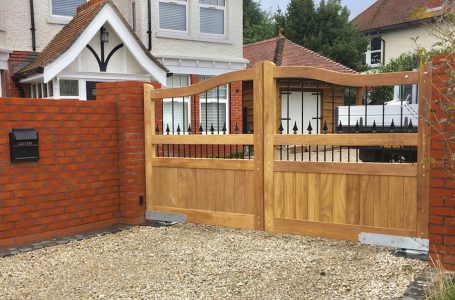
If you love the look of real wood, quality is your best friend. First Fence provides timber that has been pressure treated (often Tanalised) to UC4 standard, ensuring they can endure direct ground contact and constant exposure to the elements, without succumbing to rot.
In addition, they also blend seamlessly into the natural environment, making sure they’re aesthetically pleasing too.
Composite Fencing, Gates and Decking
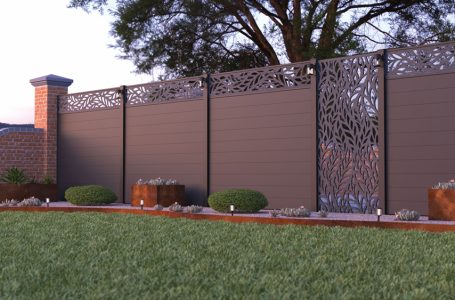
Manufactured using a combination of bamboo fibres and recycled plastic, these wood plastic composite (WPC) solutions are low-maintenance and resistant to rot and weathering.
They provide a long-lasting and hard-wearing system and eliminate the requirement of constant staining or painting. If any damage were to occur to any of these boards or panels, you would be able to replace the board or panel in question rather than having to replace the entire system, therefore reducing waste.
Modular Gate Systems
First Fence also offers a range of modular gates that are universally handed, meaning that you can alter and change things accordingly without the unnecessary waste of a terrible mistake. In addition, they are powder coated to help withstand weathering and provide longevity.
Hot Dip Galvanising
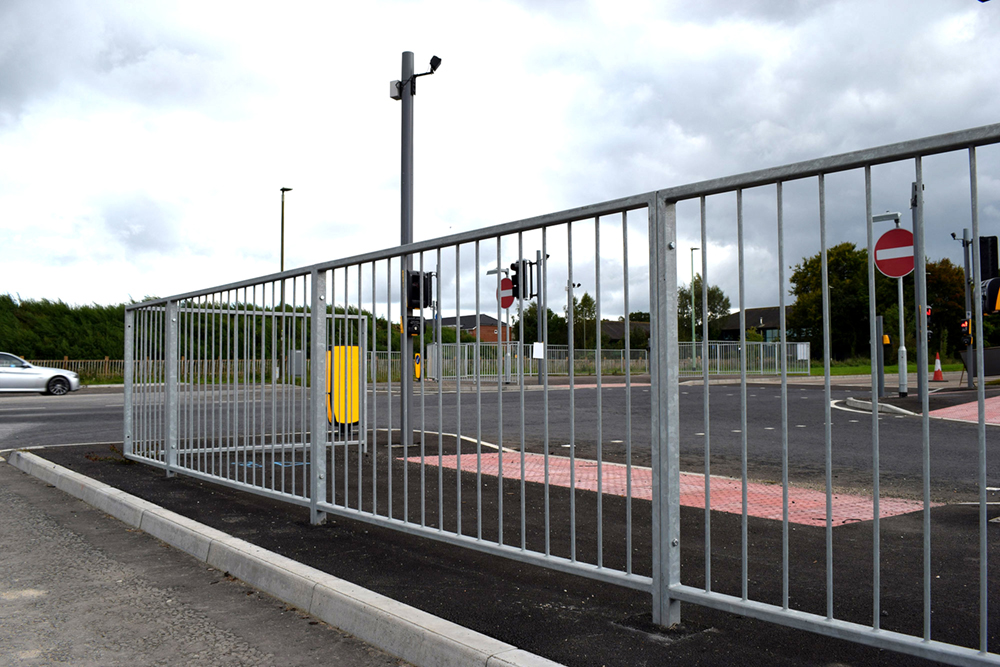
Hot-dip galvanising is one of the most effective ways to protect steel and iron from corrosion. Unlike paint, it creates a metallurgical bond with the steel, forming zinc-iron alloy layers that won’t chip, peel, or scrape off. This exceptional durability provides long-lasting protection for fencing products, making it a highly sustainable choice with a very low environmental footprint.
A Shared Responsibility
The fences we install today are going to be around for a long time. By choosing a sustainable option, property owners – from individual residents to large corporations – are making a choice that benefits everyone.
Take a look at First Fence’s sustainable fencing options online today at www.firstfence.co.uk or give the Sales Team a call at 01283 512 111.