The True Cost of a Gate – Looking Beyond the Price Tag

tchdrnd1s3
In today’s fencing market, contractors and manufacturers face increasing pressure to deliver quality installations while remaining competitive on price.
Material costs, labour rates and customer expectations continue to rise, making it more important than ever to maximise value on every project.
When discussing costs, much of the focus naturally falls on fencing panels, gate frames, posts and installation labour. Yet one of the most important factors influencing the long-term success of an installation can often be overlooked: gate hardware.
Hinges, latches and locking systems typically account for only a small percentage of a project’s overall cost, but they have an outsized impact on how a gate performs throughout its lifetime.
While choosing lower-cost hardware can appear attractive at the point of purchase, the real cost of gate hardware is often only revealed after the installation has been completed.
For fencing professionals, the consequences of hardware failure are all too familiar. Rust, sagging hinges, binding gates, latches that fail to engage properly and gates that no longer self-close can all lead to call-backs and remedial work.
What may have started as a modest saving on hardware can quickly become an expensive return visit involving travel time, labour costs and disruption to scheduled work.
Beyond the direct financial implications, there is also the potential impact on customer satisfaction and reputation. End users rarely distinguish between the gate itself and the hardware fitted to it. If a gate becomes difficult to operate or requires frequent maintenance, it is the installer or manufacturer who often receives the complaint.
This is particularly relevant as homeowners, developers and commercial clients continue to invest in higher-value fencing solutions. Composite and aluminium gates have become increasingly popular, while bespoke timber installations and premium residential developments are placing greater emphasis on aesthetics and long-term performance.
Customers making these investments expect gates to operate smoothly and reliably for years to come.
In many cases, the gate is the only part of the installation the customer interacts with every day. A fence may provide an attractive boundary, but if the gate sticks, drags or fails to close correctly, that is what will leave a lasting impression.
For this reason, more fencing professionals are beginning to consider whole-life cost rather than simply purchase price.
Whole-life cost takes into account not only the initial investment, but also installation efficiency, maintenance requirements, expected product lifespan, replacement frequency and the likelihood of future call-backs.
Ease of installation is an increasingly important factor. Hardware that can be installed quickly, adjusted easily and fine-tuned over time can help contractors reduce time on site and minimise costly return visits.
When margins are under pressure, saving time during installation while maintaining quality can deliver tangible business benefits.
Material selection also plays an important role in long-term performance. Traditional metal hardware can perform well, but prolonged exposure to rain, frost, airborne salt and changing temperatures can create challenges over time. Corrosion, wear and ongoing adjustment requirements can all contribute to additional maintenance demands.
Modern hardware solutions are increasingly being designed to address these challenges from the outset.
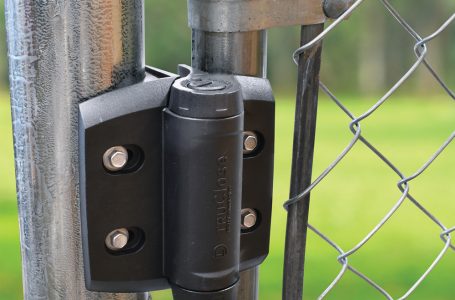
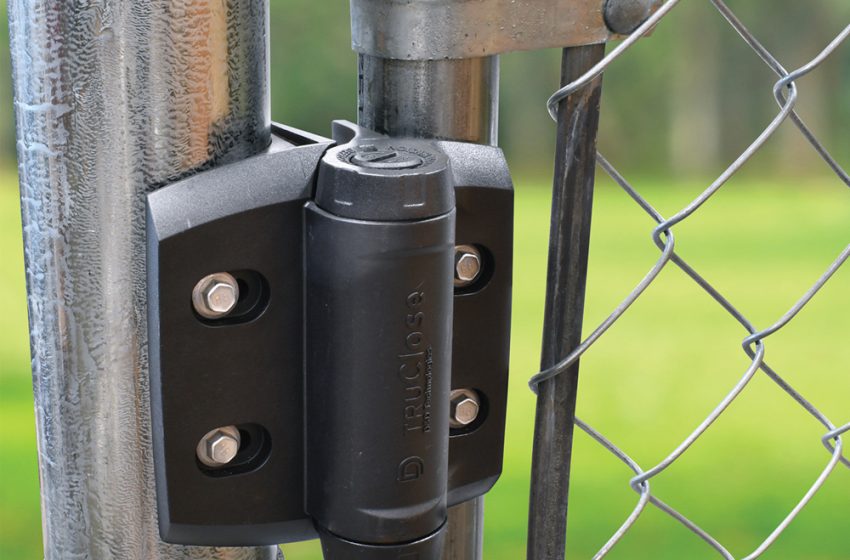
Products developed using engineering polymers and stainless steel components, such as the D&D Technologies TruClose® hinge range, are specifically designed to withstand demanding outdoor environments while delivering reliable self-closing performance and long-term durability.
Safety is another important consideration. Across schools, playgrounds, public spaces, residential developments and other high-use environments, gates must continue to operate as intended year after year.
Reliable self-closing hinges and dependable latching systems help ensure gates return to a secure position after each use, reducing risk and supporting safer access control.
Solutions such as D&D’s TruClose® self-closing hinges and MagnaLatch® magnetic safety latches have been developed with these requirements in mind.
Combining corrosion-resistant materials with adjustable, long-lasting performance, they are designed to help contractors deliver installations that remain safe, secure and reliable throughout their service life.
Looking beyond the initial hardware cost and considering whole-life value can help reduce call-backs, improve customer satisfaction and protect hard-earned reputations.
eu.ddtech.com